In today’s fast-paced digital world, texting and online chats are filled with abbreviations, slang, and unique words that can confuse even the most experienced social media users.
One term that has gained attention recently is “succulent.” While traditionally associated with plants, in texting and online chats, this word carries a fresh, nuanced meaning that’s worth understanding.
Whether you’re scrolling through Instagram captions, TikTok comments, or WhatsApp chats, knowing what succulent means can help you decode messages, avoid misunderstandings, and even use it correctly yourself.
Updated for 2026, this guide breaks down everything you need to know about this trending term.
What Does “Succulent” Mean? Definition & Origin: 🌱

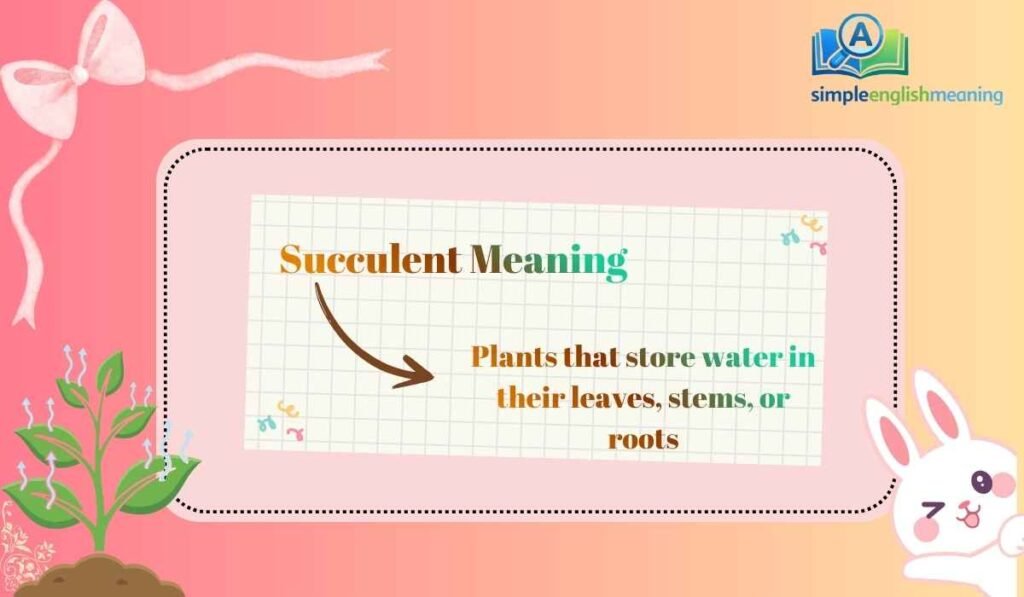
At its core, succulent traditionally refers to plants that store water in their leaves, stems, or roots, like aloe vera or cacti. These plants are juicy, thick, and visually appealing, often associated with health and vibrancy.
However, in modern texting and chat culture, “succulent” has taken on a more metaphorical meaning:
- Juicy or enticing content: Something highly appealing, interesting, or exciting.
- Attractive or impressive: Can describe someone, an idea, or even gossip.
- Rich in detail or quality: Often used to compliment something with substance or flair.
Origin in slang: The transition from plant terminology to digital slang likely comes from the imagery of “juiciness” — just like a succulent plant stores water, something “succulent” in texts or social media is full, rich, or satisfying.
How to Use “Succulent” in Texts or Chat 💬
Using succulent in your messages can make your language more expressive and playful. Here are some practical tips:
- Complimenting content:
- “That recipe you shared is so succulent, I’m drooling!”
- Describing people or personalities:
- “Your sense of humor is straight-up succulent 😂”
- Highlighting juicy gossip or news:
- “Did you hear the office drama? So succulent, I can’t believe it!”
Tips for proper use:
- Make sure your context matches the metaphorical meaning. Avoid calling literal plants “succulent” in casual slang chats unless it’s playful.
- Pair with emojis for extra clarity: 🫐🔥💧
Examples of “Succulent” in Conversations ✨

Here’s how real-life chats might use succulent:
Example 1:
- Friend 1: “Check out this TikTok!”
- Friend 2: “OMG, that’s succulent 😂”
Example 2:
- Chat Group: “Our new office snacks are 🔥”
- Reply: “Totally succulent!”
Example 3:
- Instagram DM: “Your outfit today 😍”
- Reply: “Thanks! Feeling succulent today 😎”
Notice how the word adds flavor, enthusiasm, and fun to everyday conversation.
Common Mistakes or Misunderstandings ❌
Even with trending slang, misusing terms is easy. Here are some pitfalls to avoid:
- Literal confusion: Don’t confuse succulent with just “juicy” in a literal sense like fruits or plants in casual texting.
- Overuse: Slang loses impact if used too frequently. Sprinkle it thoughtfully.
- Wrong context: Avoid using it in professional emails unless it’s intentionally humorous or informal.
Quick guide: If it’s fun, juicy, interesting, or attractive—go ahead. If not, don’t force it.
Related Slangs or Abbreviations 🔗
To fully blend into modern texting culture, here are a few related terms:
- Juicy: Very similar to succulent, often describing gossip or appealing content.
- Lit: Exciting, fun, or impressive; overlaps with succulent in tone.
- Dank: Can mean high-quality content, especially memes.
- Thicc: Refers to someone attractive or curvy; shares the idea of richness with succulent.
- Savage: Bold, impressive, or shocking content, sometimes paired with succulent for effect.
Using succulent alongside these terms can make your digital language more vibrant and trendy.
Why Knowing This Matters in 2026 💡
In 2026, digital literacy isn’t just about avoiding typos—it’s about understanding modern slang and online nuances. Knowing words like succulent helps you:
- Communicate effectively with peers on social media platforms.
- Avoid misunderstandings in group chats or online communities.
- Add personality and flair to your texts.
Remember, slang evolves quickly. Keeping up-to-date ensures your messages remain relatable, humorous, and engaging.
Concusion:
To wrap up:
- Succulent is more than just a plant; it’s a metaphor for appealing, juicy, or impressive content.
- Use it in texts, DMs, and social media to compliment, describe, or highlight exciting things.
- Avoid overuse and make sure context fits to keep your messages fun and understandable.
- Pairing with emojis or related slang enhances clarity and adds a playful touch.
Call-to-Action: Share your favorite text abbreviation in the comments and show us how you use succulent in your chats!

I’m Jack Collins, a passionate meaning author at SimpleEnglishMeaning. I specialize in explaining words, phrases, and concepts in clear and simple English so everyone can understand them easily.I believe that language should be simple, practical, and helpful. My goal is to make learning meanings easy, interesting, and accessible for all readers.