In today’s fast-paced digital world, understanding the meaning behind words, phrases, and abbreviations in text and chat is more important than ever.
One term that often comes up, both in casual conversation and online discussions, is “estrangement.”
Knowing what it truly means can help you navigate conversations with clarity and avoid misunderstandings, especially when discussing sensitive topics like family or friendship dynamics. Updated for 2026,
this article dives deep into the estrangement meaning, its usage, examples, common mistakes, and related terms.
What Does “Estrangement” Mean? Definition & Origin🧐

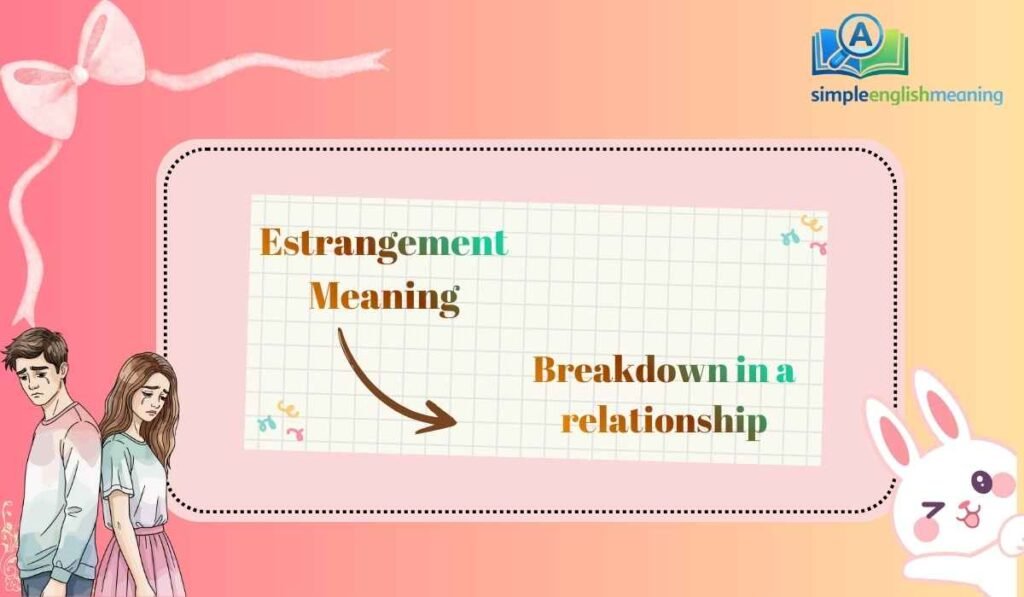
Estrangement refers to the state of being separated or distanced from someone, usually due to a breakdown in a relationship. It’s most commonly used to describe emotional or social distancing, often among family members, friends, or former partners.
Origin:
The word comes from the Latin root extraneare, meaning “to make a stranger.” Essentially, when someone experiences estrangement, they feel like a stranger in what was once a close relationship.
Quick Definition:
- Estrangement: Emotional or social distance from someone you once had a close bond with.
Real-Life Contexts:
- A parent and adult child may experience estrangement due to disagreements.
- Close friends may drift apart over misunderstandings or life changes.
In texts and online chats, someone might use “estranged” to indicate they are intentionally distancing themselves from a person or group.
How to Use “Estrangement” in Texts or Chat 💬
Using estrangement in conversation can be tricky because it carries emotional weight. Here’s how you can incorporate it appropriately:
- Expressing personal experience:
“I’ve been going through some family estrangement lately; it’s tough.” - Discussing relationships generally:
“Estrangement between siblings is more common than people realize.” - Describing social dynamics online:
“The estrangement in that friend group became obvious after the argument.”
Tips for texting:
- Use it in serious or reflective conversations.
- Avoid using it lightly in casual chat—it can come off as insensitive.
- Pair it with context, like “estrangement from my cousin” or “estranged colleague,” to clarify meaning.
Examples of “Estrangement” in Conversations ✨

Here are some real-life-inspired examples of how estrangement might appear in modern texting or social media conversations:
- Friend to friend:
“Hey, I know we haven’t talked much lately. I think some estrangement happened, but I hope we can fix it.” - Social media post:
“Dealing with family estrangement has been harder than I expected. Anyone else relate?” - Group chat:
“There’s been some estrangement between the teammates since last season. We need a team bonding day.”
These examples show how estrangement is often used to express emotional distance rather than physical absence.
Common Mistakes or Misunderstandings ⚠️
Many people misuse or misunderstand estrangement. Avoid these pitfalls:
- Mistaking it for anger or dislike: Estrangement doesn’t always involve hate. It’s more about distance or separation.
- Using it casually: Saying “I’m estranged from my coffee today” is humorous but incorrect.
- Confusing with “breakup”: Estrangement can happen in friendships, families, or work relationships—not just romantic breakups.
Pro Tip: Estrangement is often a long-term situation, not a one-time argument or disagreement.
Related Slangs or Abbreviations 📝
While estrangement itself is formal, online communities sometimes use abbreviations or slang to express similar concepts:
- LC (Low Contact): Often used by people describing partial estrangement from family or friends.
- NC (No Contact): A stronger form of estrangement where someone cuts off communication completely.
- Ghosting: Temporarily or permanently ignoring someone, often used in dating or casual relationships.
- DR (Distance Relationship issue): Less common, but sometimes used humorously to describe emotional estrangement.
Example Chat:
“I had to go LC with my cousin after the fight 😞 #Estrangement”
These terms make discussing estrangement in casual online spaces easier and more relatable.
How Estrangement Shows Up in Modern Culture 🌐
Estrangement isn’t just a personal issue—it appears in media, social discussions, and online communities. Examples include:
- TV & movies: Stories often focus on estranged family members reconciling.
- Social media discussions: People share estrangement experiences in threads, hashtags, and forums.
- Mental health conversations: Estrangement is recognized as a real emotional challenge, often discussed in therapy and self-help circles.
Understanding these cultural references helps you communicate more effectively when using the term in texts or chat.
Tips for Talking About Estrangement Respectfully 💡
- Be mindful of context—estrangement can be sensitive.
- Avoid joking about it with someone who may be affected.
- Clarify if you’re referring to your own experiences versus general discussion.
- Use empathetic language, like “I’ve experienced estrangement” rather than “You’re estranged.”
Estrangement in 2026: Trends and Online Usage 📱
As of 2026, estrangement discussions are increasingly common in digital spaces:
- Online support groups and forums help people navigate family or friend estrangement.
- Short-form videos and TikToks explore personal estrangement stories, often humorously or emotionally.
- Mental health apps include guides for managing estrangement in healthy ways.
Being aware of these trends can help you stay current and sensitive when using the term in chats or social media posts.
Conclusion:
Understanding estrangement is more than knowing a dictionary definition—it’s about grasping the emotional, social, and cultural nuances behind the term.
Whether in texts, online discussions, or casual conversations, using it correctly shows empathy and awareness.

I’m Jack Collins, a passionate meaning author at SimpleEnglishMeaning. I specialize in explaining words, phrases, and concepts in clear and simple English so everyone can understand them easily.I believe that language should be simple, practical, and helpful. My goal is to make learning meanings easy, interesting, and accessible for all readers.