Texting and chatting have transformed the way we communicate—but sometimes, words, phrases, or even psychological terms can pop up in discussions that leave us scratching our heads.
One such term you may encounter online is “erotomania.”
While it’s not your everyday slang, knowing what erotomania means can help you understand discussions about psychology, relationships, or even quirky online memes.
In this article, we’ll break down erotomania meaning, explore its origins, how it appears in conversations, and provide tips on using the term correctly in your chats or online discussions. Let’s dive in!
What Does “Erotomania” Mean? Definition & Origin📚
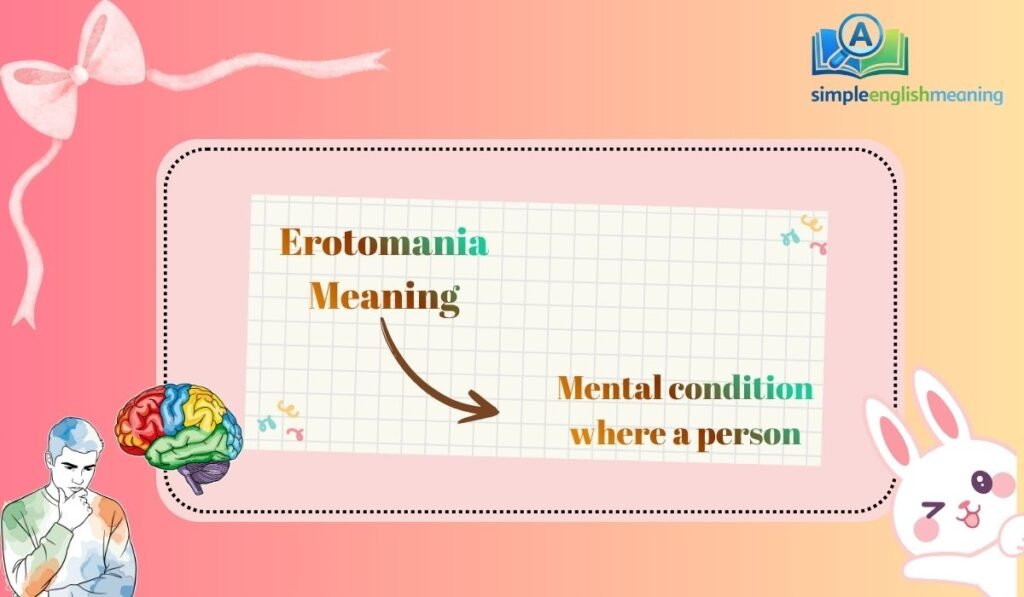
Erotomania is a psychological term used to describe a rare type of delusional disorder.
In simple terms, it refers to a mental condition where a person believes that someone—usually of higher social status—is in love with them, despite clear evidence to the contrary.
Origin of the Term
The word comes from:
- “Eros” – Greek for love or desire
- “Mania” – Greek for madness or obsession
So literally, it translates to “love obsession”, though clinically it’s more complex than just a crush or infatuation.
Key points about erotomania:
- It is considered a psychotic disorder.
- Often involves stalking or persistent fantasies.
- Can occur in both men and women, but studies suggest women are slightly more affected.
How to Use “Erotomania” in Texts or Chat 💬
While erotomania is primarily a psychological term, it sometimes pops up in casual discussions online, especially in forums, social media, or Twitter threads where people jokingly describe obsessive crushes.
Here’s how to naturally use the term in conversations:
- Casual example:
“I think Jake’s latest tweets are pure erotomania vibes 😂” - Educational context:
“Erotomania is when someone genuinely believes a celebrity is in love with them.” - Humorous chat:
“Me checking if my crush likes me after one text… definitely erotomania mode activated!”
Pro Tip: Use bold when highlighting the term in discussions, especially in blog posts or forums:
“This is a classic case of erotomania in action.”
Examples of “Erotomania” in Conversations 📝
Seeing examples helps understand the term in action. Here are some realistic or relatable scenarios:
- Scenario 1: Social Media
User1: “Did you see Sarah DMing that actor daily?”
User2: “Yikes, classic erotomania right there.” - Scenario 2: Online Forum
“Some of these fan letters are full-on erotomania. It’s kind of scary, honestly.” - Scenario 3: Casual Chat
“Dude, thinking she loves you after one glance? That’s straight-up erotomania, bro.”
Common Mistakes or Misunderstandings ❌
Many people misuse erotomania, confusing it with:
- Infatuation or crushes – normal feelings are not clinical disorders.
- Stalking jokes – while erotomania can involve stalking, joking about it without context can be misleading.
- Romantic obsession memes – not all obsessive love is erotomania.
Tip: Always remember, erotomania is clinical, not just playful online banter.
Related Slangs or Abbreviations 🔗
While erotomania isn’t slang, it often intersects with online terms describing intense infatuation or obsession:
- OTP – “One True Pairing,” used in fandoms for favorite couples.
- Crush – A simple, non-clinical romantic interest.
- Stanning – Obsessive support for a celebrity, sometimes exaggerated.
- Obsessed – Casual term often used humorously online.
Understanding these can help you distinguish casual obsessive behavior from clinical erotomania.
How to Spot Erotomania in Online Discussions 👀
Sometimes, chats or forums feature people unknowingly describing erotomania. Here are some hints:
- Claims of secret love from celebrities or people of higher status.
- Persistent messages despite no response or clear disinterest.
- Fantasies or delusions that ignore reality.
Remember: Online discussions often exaggerate for humor, but real-life cases require professional attention.
Using Erotomania Meaningfully in 2026 Trends 🌐
In 2026, digital culture continues evolving. Discussions about mental health and psychological terms are more open, but context is key:
- Use the term accurately to educate.
- Avoid casual labeling of someone’s crush as erotomania—it’s a medical condition.
- Pair your posts with relevant hashtags or keywords for SEO:
- #ErotomaniaMeaning
- #MentalHealthAwareness
- #PsychologyFacts
This ensures your content is discoverable, helpful, and respectful.
Updated Insights for 2026 🆕
Recent trends online show:
- Increased awareness of delusional disorders in social media discussions.
- TikTok and X threads explaining psychological terms in relatable ways.
- More memes joking about obsessive fandom—but users are learning the difference between fun and clinical reality.
Example: A recent TikTok trend involved fans joking about “erotomania level” when sending repetitive fan messages—but creators clarified the difference between humor and reality, reflecting increased psychological literacy in 2026.
Conclusion:
Understanding erotomania meaning is not just for psychologists—it helps everyone navigate conversations, memes,
and discussions about obsessive behavior in the digital age.

I’m Jack Collins, a passionate meaning author at SimpleEnglishMeaning. I specialize in explaining words, phrases, and concepts in clear and simple English so everyone can understand them easily.I believe that language should be simple, practical, and helpful. My goal is to make learning meanings easy, interesting, and accessible for all readers.