If you’ve ever seen someone type “crikey” in a message or comment and wondered, “What does that even mean?”—you’re not alone.
Internet slang and chat language evolve fast, and words that started in one culture often pop up globally in texts, memes, and social media captions.
Understanding the crikey meaning helps you better read tone, emotion, and intent in conversations—especially when chatting with people who love expressive, dramatic reactions.
This guide breaks down exactly what crikey means, where it came from, and how to use it naturally in modern texting and online chats.
✅ Updated for current online usage
What Does “Crikey” Mean? Definition & Origin
Definition of Crikey
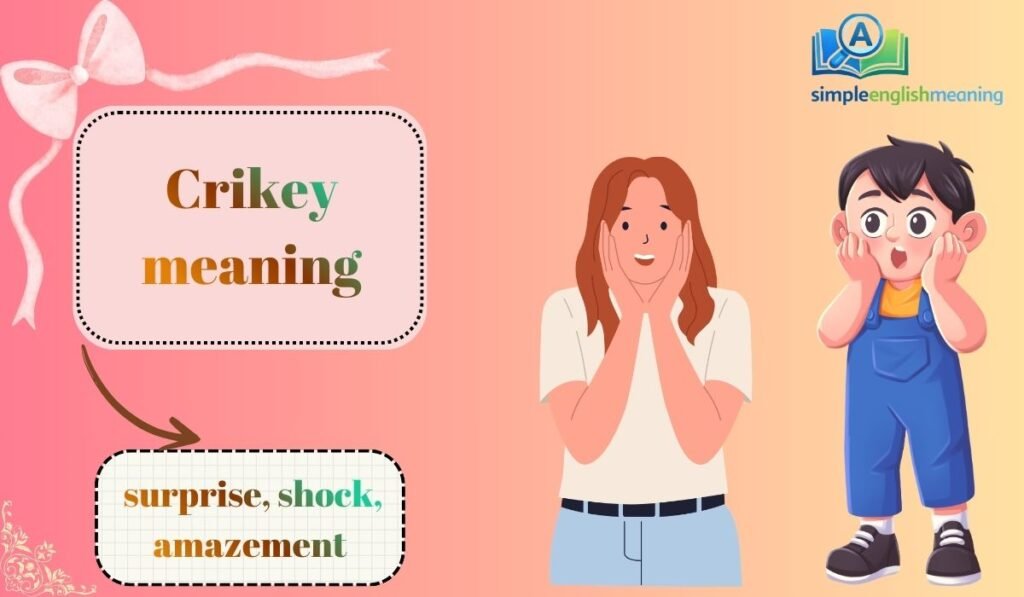
Crikey is an exclamation used to express surprise, shock, amazement, or excitement. In texting or chat, it’s similar to saying:
- Wow!
- Oh my goodness!
- Whoa!
- Damn!
It’s usually not offensive and often sounds playful, dramatic, or humorous depending on context.
Simple meaning:
Crikey = a surprised or amazed reaction
Origin of the Word “Crikey”
The word crikey originally comes from British and Australian English. Historically, it was used as a mild alternative to saying “Christ,” making it a soft exclamation suitable for polite conversation.
Over time, Australians especially adopted it as part of their everyday speech. It later spread worldwide through:
- Movies and TV
- Famous Australian personalities
- Internet culture and memes
One major reason for its global popularity? Steve Irwin, whose enthusiastic “Crikey!” made the word iconic.
How Is “Crikey” Used in Texts or Chat?
In modern digital conversations, crikey is used to react emotionally rather than add information. It’s short, expressive, and works well in casual chats.
Common Contexts Where “Crikey” Is Used
- Text messages with friends
- Social media comments (Instagram, TikTok, X)
- Reddit or forum replies
- Casual group chats
- Meme captions
Tone of “Crikey” in Chat
Depending on context, crikey can sound:
- 😲 Surprised – unexpected news
- 😆 Playful – joking reaction
- 😬 Shocked – mild disbelief
- 🤯 Impressed – amazement
Unlike harsh slang, it’s generally lighthearted and friendly.
Examples of “Crikey” in Conversations
Seeing examples helps you understand how crikey naturally fits into real chats.
Casual Text Message Examples
- “Crikey, that exam was harder than I expected.”
- “Crikey! You actually finished the project already?”
- “Crikey, look at the size of that pizza.”
Social Media Examples
- “Crikey, this update completely changed the app 😳”
- “Crikey! Didn’t see that plot twist coming.”
- “Crikey, this comment section is wild.”
Funny or Relatable Usage
- “Crikey, my phone battery went from 30% to dead in 5 minutes.”
- “Crikey… I opened one email and now I have 20 tasks.”
These examples show how crikey adds emotion without sounding aggressive.
How to Use “Crikey” Correctly (Practical Guide)
If you want to start using crikey naturally, here’s how to do it right.
When to Use “Crikey”
Use crikey when you want to:
- React to surprising news
- Show amazement or disbelief
- Add drama or humor
- Keep the tone friendly and casual
When NOT to Use “Crikey”
Avoid using crikey in:
- Formal emails
- Professional reports
- Serious or sensitive discussions
- Academic or legal writing
It’s informal slang, best kept for casual communication.
Placement Tips
You can use crikey:
- At the start of a sentence
- “Crikey, that was close.”
- In the middle for emphasis
- “That was, crikey, unbelievable.”
- As a standalone reaction
- “Crikey!”
Common Mistakes or Misunderstandings
Even simple slang can be misunderstood. Here are common mistakes people make with crikey.
1. Thinking It’s Offensive
❌ Mistake: Assuming crikey is rude or inappropriate
✅ Reality: It’s generally safe, mild, and non-offensive
2. Using It in Formal Writing
❌ “Crikey, the quarterly results exceeded expectations.”
✅ Better: “The quarterly results exceeded expectations.”
3. Confusing It With Anger
Some readers think crikey means frustration or anger. While it can show mild annoyance, it usually signals surprise, not rage.
Crikey vs Similar Expressions
To fully understand the crikey meaning, it helps to compare it with similar reactions.
Crikey vs Wow
- Crikey → more dramatic, conversational
- Wow → more neutral and universal
Crikey vs OMG
- Crikey → playful, less intense
- OMG → stronger emotional reaction
Crikey vs Damn
- Crikey → safer, non-offensive
- Damn → slightly edgy or intense
Related Slangs or Abbreviations
If you like using expressive reactions, here are related slang terms you might enjoy.
Popular Reaction Slang
- OMG – Oh my God
- SMH – Shaking my head
- WOWZA – Extreme amazement
- YIKES – Shock or concern
- JEEZ – Surprise or mild frustration
👉 Internal linking idea: You could link this article to guides like “OMG Meaning in Text” or “SMH Meaning Explained” for better SEO and user experience.
Why “Crikey” Is Relevant Today
Even though crikey is an old word, it feels fresh online :
- It sounds expressive and human
- It adds personality to messages
- It stands out from overused abbreviations
- It works well in memes and reactions
In an era where texts can feel robotic, crikey brings a touch of emotion and humor back into conversations.
Modern Usage Trends (Updated)
In recent years, crikey has appeared more often in:
- Meme culture
- Reaction comments
- Casual storytelling posts
- International chats
People enjoy reviving older slang because it feels authentic, expressive, and fun.
Conclusion:
To sum it up, crikey is a friendly, expressive slang word used to show surprise, shock, or amazement in texts and online chats.
It’s informal, safe to use, and adds personality to conversations—especially when reacting to unexpected news or funny situations.
Understanding the crikey meaning helps you better read online tone and communicate more naturally in casual chats.
While it may not belong in formal writing, it’s perfect for social media, texting, and relaxed discussions.