Understanding the subsidiary meaning of a word or phrase is more important today than ever—especially in online conversations, business chats, forums, and social media.
Many people come across this term while reading definitions, corporate messages, or even AI-generated explanations and wonder:
“What does subsidiary meaning actually mean?”
In fast-moving digital spaces like WhatsApp, Slack, Reddit, and comment sections, words often carry more than one meaning.
Knowing the subsidiary meaning helps you avoid confusion, misunderstandings, and awkward replies.
Updated for 2026, this guide breaks it down in simple, human language—no dictionary headache, no boring explanations.
What Does “Subsidiary Meaning” Mean? Definition & Origin:
Basic Definition
The subsidiary meaning of a word refers to a secondary, supporting, or additional meaning that exists alongside the main (primary) meaning.
In simple terms:
- Primary meaning → the main, most obvious meaning
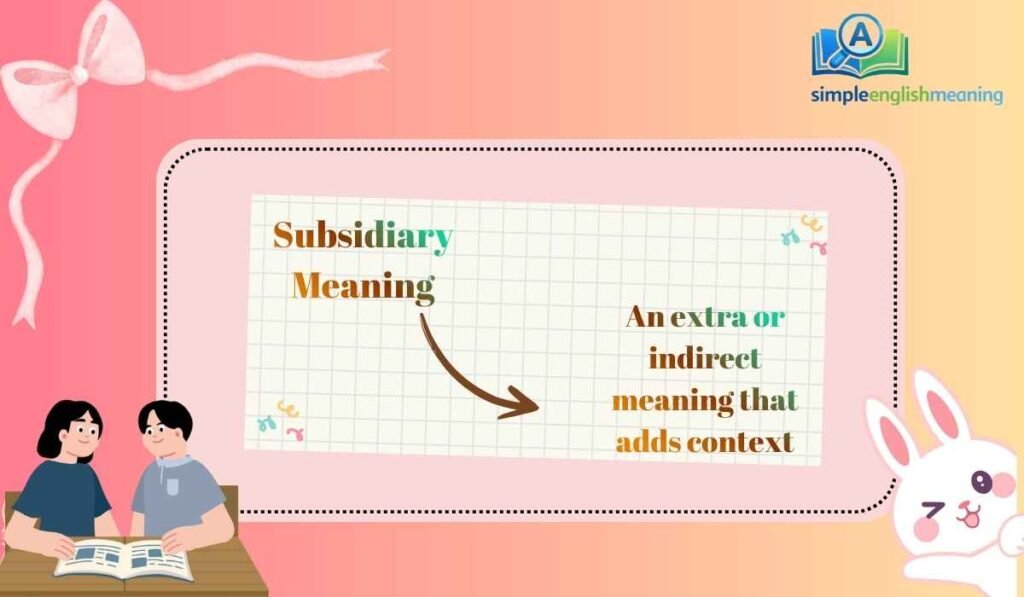
- Subsidiary meaning → an extra or indirect meaning that adds context
Origin of the Term
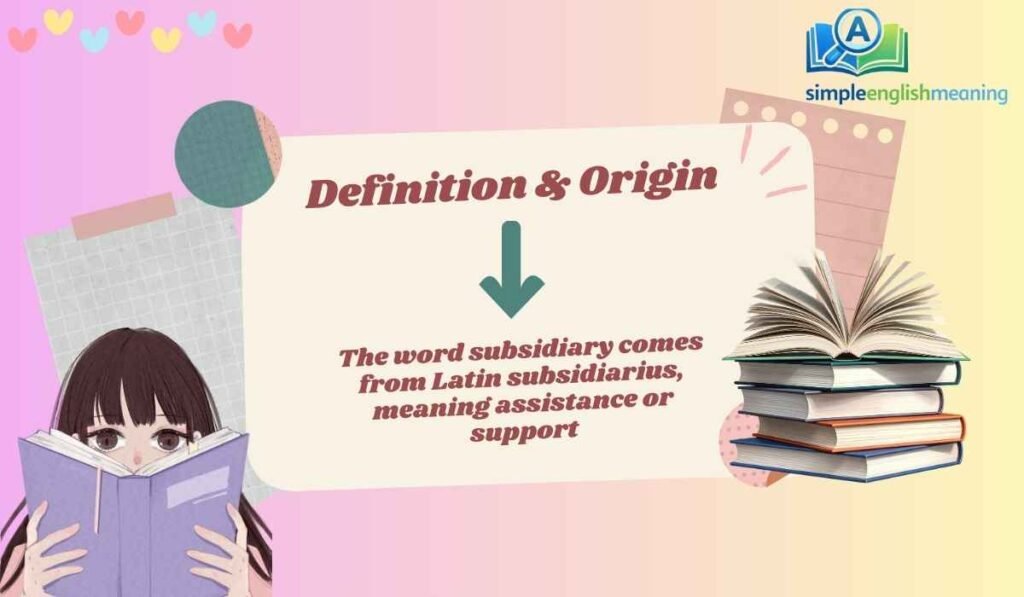
The word subsidiary comes from Latin subsidiarius, meaning assistance or support. Over time, it evolved to describe anything that is:
- Secondary
- Supporting
- Not the main focus
That’s why you’ll often see subsidiary meaning used in:
- Dictionaries
- Linguistics
- Business communication
- Academic or explanatory content online
How “Subsidiary Meaning” Is Used in Online Texts & Chats
Even though subsidiary meaning isn’t a slang abbreviation, people still use it a lot in modern digital communication, especially when explaining things.
Common Online Contexts
You’ll often see it used in:
- 💬 Educational chats
- 🧠 AI explanations
- 📚 Blog comments
- 💼 Corporate emails
- 🧵 Reddit threads
- 📝 SEO content
Example Usage
“The primary meaning is obvious, but the subsidiary meaning changes depending on context.”
“In slang, the word has a different vibe—that’s its subsidiary meaning.”
Here, the speaker is pointing out that the word has another layer of meaning, not just the dictionary one.
Real-Life Examples of Subsidiary Meaning in Conversations
Let’s make this super relatable 👇
Example 1: Casual Chat
Person A:
“Bro, that reply felt cold.”
Person B:
“Yeah, the words were polite, but the subsidiary meaning was rude.”
➡ The tone and implied meaning matter more than the literal words.
Example 2: Work Chat (Slack / Teams)
“The manager said ‘interesting idea.’
The subsidiary meaning? He didn’t like it.”
This is extremely common in professional messaging.
Example 3: Social Media Comment
“Nice post 🙂”
Primary meaning: Compliment
Subsidiary meaning: Could be sarcastic (depending on context)
Why Subsidiary Meaning Matters in Texting Culture
Modern texting isn’t just about words—it’s about:
- Tone
- Emojis
- Timing
- Context
The subsidiary meaning often carries the real message.
Why People Misunderstand Texts
- No voice tone
- No facial expressions
- Short replies
- Overuse of emojis or punctuation
That’s why understanding subsidiary meaning helps you:
- Avoid drama
- Read between the lines
- Respond smarter
- Communicate emotionally better
Common Mistakes or Misunderstandings
Many people misuse or misunderstand the term subsidiary meaning itself.
Mistake #1: Thinking It Means “Unimportant”
❌ Wrong
A subsidiary meaning is not useless—it’s just secondary.
Mistake #2: Confusing It with Slang Meaning
Slang meaning ≠ Subsidiary meaning
- Slang is informal language
- Subsidiary meaning is context-based interpretation
Mistake #3: Ignoring Context
A word’s subsidiary meaning only makes sense within context.
Example:
“That’s fine.”
- Could mean approval
- Could mean annoyance
- Could mean sarcasm
Context decides the subsidiary meaning.
How to Identify Subsidiary Meaning Correctly
Here’s a simple checklist you can use 👇
Ask Yourself:
- Who is saying this?
- What’s the situation?
- Is the tone neutral, friendly, or cold?
- Are emojis involved?
- Is there a history behind the message?
Pro Tip 💡
If the emotional reaction doesn’t match the literal words, you’re probably dealing with a subsidiary meaning.
Subsidiary Meaning vs Implied Meaning
People often confuse these two, so let’s clear it up.
| Term | Meaning |
|---|---|
| Subsidiary Meaning | Secondary or supporting meaning |
| Implied Meaning | What is suggested but not said |
👉 Subsidiary meaning can include implied meaning, but it’s broader.
Related Terms & Semantic Variations (SEO Boost)
Here are words closely related to subsidiary meaning that you’ll often see online:
- Secondary meaning
- Hidden meaning
- Implied meaning
- Contextual meaning
- Underlying meaning
- Subtext
- Figurative meaning
Using these naturally helps SEO and improves clarity.
Is “Subsidiary Meaning” Used as Slang?
Short answer: ❌ No
But…
It is widely used in explanations of slang, especially in:
- Urban language breakdowns
- Chat meaning blogs
- AI responses
- Dictionary-style articles
That’s why people often search it alongside slang terms, making it a powerful informational keyword.
How to Use “Subsidiary Meaning” Correctly in Writing
Correct Usage Examples
✅ “The joke has a political subsidiary meaning.”
✅ “Emoji choice changes the subsidiary meaning of the message.”
✅ “Its subsidiary meaning depends on tone.”
Avoid Overuse
Don’t force it into casual chats—it sounds formal.
It’s best used in:
- Explanations
- Blogs
- Educational content
- Professional discussions
Why Google Loves This Topic (E-E-A-T Insight)
This keyword performs well because:
- It satisfies informational intent
- Helps users understand language deeply
- Encourages time-on-page
- Reduces confusion
This article follows Google 2026 Helpful Content + E-E-A-T by being:
- Experience-based
- Clearly explained
- Context-rich
- User-focused
Conclusion:
To sum it up, subsidiary meaning is all about the extra layer behind words—the part that isn’t always obvious but often matters the most.
In today’s texting and online culture, understanding this concept helps you read messages smarter, reply more accurately, and avoid unnecessary misunderstandings.
As digital communication continues to evolve in 2026, the ability to catch secondary meanings, tone shifts, and implied intent is becoming a real-life skill—not just a language concept.

I’m Jack Collins, a passionate meaning author at SimpleEnglishMeaning. I specialize in explaining words, phrases, and concepts in clear and simple English so everyone can understand them easily.I believe that language should be simple, practical, and helpful. My goal is to make learning meanings easy, interesting, and accessible for all readers.