Understanding modern workplace terms is just as important as decoding internet slang or chat abbreviations.
One phrase that often causes confusion—especially in texts, emails, HR messages, and workplace chats—is bereavement leave.
If you’ve ever seen a message like “I’ll be on bereavement leave” and wondered what it truly means, when to use it, or how it works in real life, you’re not alone.
In today’s fast-moving digital work culture, knowing the bereavement leave meaning helps you respond appropriately, avoid awkward misunderstandings, and communicate with empathy.
This guide is updated for 2026, written in clear, human language, and designed to help you understand not just the definition—but the real-world usage, context, and etiquette behind the term.
What Does “Bereavement Leave” Mean? Definition & Origin:
Bereavement Leave Meaning (Simple Definition)
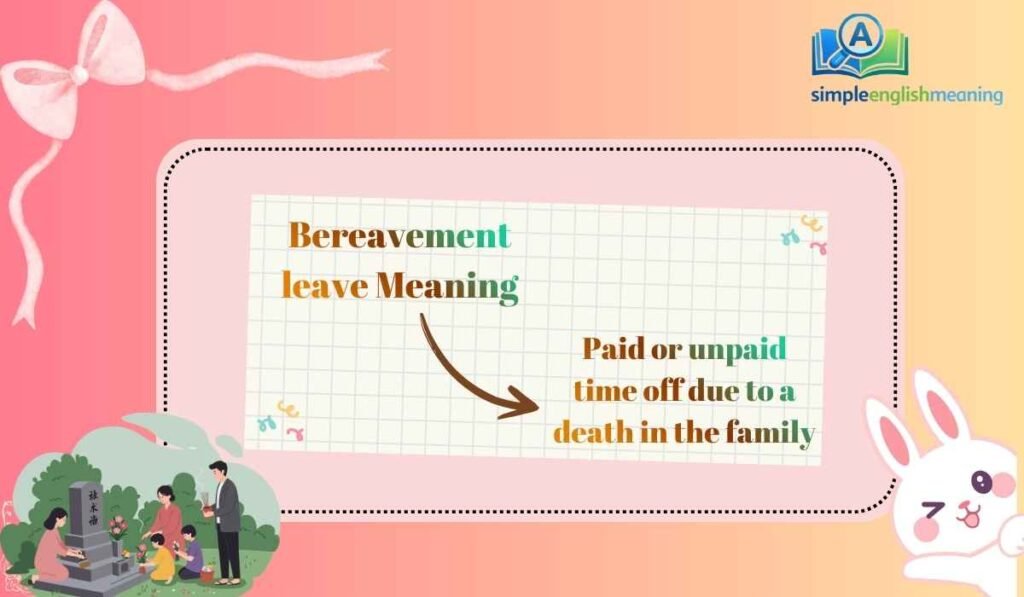
Bereavement leave refers to time off from work granted to an employee after the death of a close family member or loved one. The purpose is to allow time for grieving, funeral arrangements, religious rituals, or emotional recovery.
In simple terms:
Bereavement leave = paid or unpaid time off due to a death in the family
It’s not slang—but it is a term you’ll frequently see in:
- Workplace emails
- Slack or Teams messages
- HR policies
- Professional texts
Origin of the Term “Bereavement”
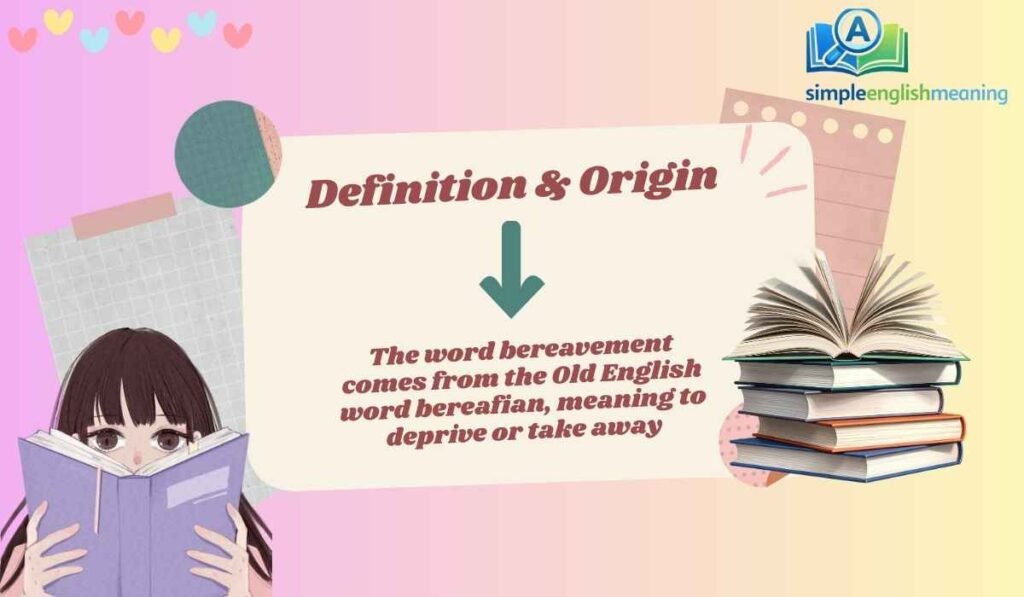
The word bereavement comes from the Old English word bereafian, meaning to deprive or take away. Over time, it evolved to describe the emotional state following a loss—especially death.
So when combined with leave, it literally means:
Permission to step away from work due to personal loss
Why Bereavement Leave Matters in Modern Chat & Work Culture
In 2026, work communication happens everywhere:
- Slack
- Microsoft Teams
- Remote work dashboards
That’s why understanding the bereavement leave meaning is important—not just professionally, but emotionally too.
When someone says:
“I’ll be offline today—on bereavement leave.”
They’re not being vague or dramatic. They’re signaling:
- A serious personal loss
- A need for space
- A moment where empathy matters more than productivity
How to Use “Bereavement Leave” in Texts or Chat
Professional Usage (Correct Way)
You’ll mostly see bereavement leave used in formal or semi-formal communication, such as:
- Work emails
- HR messages
- Office group chats
Correct examples:
- “I’ll be taking bereavement leave for the next two days.”
- “She’s currently on bereavement leave due to a family loss.”
- “Please contact HR regarding bereavement leave policy.”
Casual or Modern Chat Usage
While the term itself is formal, people often shorten or soften it in chat:
- “I’m off today—bereavement.”
- “Taking a couple days for bereavement leave.”
- “Won’t be active, family loss.”
Even in casual messages, the meaning remains serious.
Examples of “Bereavement Leave” in Real Conversations
Workplace Chat Example
Manager:
“Why isn’t Alex online today?”
Teammate:
“He’s on bereavement leave. He’ll be back next week.”
This signals:
- Don’t disturb
- Show respect
- No follow-up questions needed
Email Example
“Dear Team,
I will be on bereavement leave today and tomorrow due to a family loss. I appreciate your understanding.”
Simple. Clear. Professional.
Text Message Example
“Hey, I’m taking bereavement leave today. I’ll reply later.”
Short, modern, and emotionally honest.
How Long Is Bereavement Leave? (Common Rules Explained)
This is where confusion often starts.
Typical Bereavement Leave Duration
There is no single global rule, but commonly:
- 3–5 days for immediate family
- 1–2 days for extended family
Immediate family usually includes:
- Parents
- Siblings
- Spouse
- Children
- Grandparents
Paid vs Unpaid Bereavement Leave
Depending on company policy:
- Some offer paid bereavement leave
- Others provide unpaid leave
- Some allow employees to combine it with sick or personal leave
Always check your HR policy or employee handbook.
Common Mistakes or Misunderstandings
Mistake 1: Thinking Bereavement Leave Is a Casual Excuse
❌ Wrong
Bereavement leave is not like taking a day off for errands. It’s tied to grief, loss, and emotional well-being.
Mistake 2: Asking Too Many Questions
If someone says they’re on bereavement leave:
- Don’t ask who died unless they offer
- Don’t push for details
- Don’t demand updates
A simple response like:
“I’m sorry for your loss. Take care.”
…is enough.
Mistake 3: Using It Incorrectly in Chat
❌ “I’m on bereavement leave because my pet is sick.”
That’s not correct usage. Bereavement is specifically linked to death, usually of a person (some workplaces may include pets, but that’s policy-specific).
Related Terms & Slangs You Might See
While bereavement leave isn’t slang, it’s often connected to or confused with these terms:
- Compassionate leave – Broader term, may include illness or crisis
- Personal leave – General time off
- Emergency leave – Urgent, not always death-related
- Mental health day – Emotional well-being, not bereavement
💡 Internal linking suggestion:
You can link this article to guides like:
- Compassionate Leave Meaning
- PTO Meaning in Work Chats
- OOO Meaning in Texts
How to Respond When Someone Mentions Bereavement Leave
Best Responses (Human & Respectful)
- “I’m really sorry for your loss.”
- “Please take all the time you need.”
- “Thinking of you and your family.”
What to Avoid
- “At least…” statements
- Jokes or emojis
- Pressuring for work updates
Bereavement Leave Meaning in 2026: Why It’s More Important Than Ever
With remote work, flexible schedules, and digital communication, bereavement leave has become more visible—but also more misunderstood.
In 2026:
- People announce leave via chat, not face-to-face
- Messages are shorter, but emotions are real
- Empathy in text matters more than ever
Understanding the bereavement leave meaning helps create healthier, more human workplaces—even in digital spaces.
Conclusion:
Bereavement leave is more than just a workplace term—it represents time, space, and compassion during one of life’s hardest moments.
Knowing its meaning helps you communicate better, respond with empathy, and avoid uncomfortable misunderstandings in professional or personal chats.
Whether you encounter the term in an HR email, a Slack message, or a short text from a colleague, you now understand what it truly means, how it’s used, and why it matters.
In an era where messages travel fast but emotions still run deep, clarity and kindness go a long way.

I’m Jack Collins, a passionate meaning author at SimpleEnglishMeaning. I specialize in explaining words, phrases, and concepts in clear and simple English so everyone can understand them easily.I believe that language should be simple, practical, and helpful. My goal is to make learning meanings easy, interesting, and accessible for all readers.