Understanding internet slang isn’t just about staying trendy—it’s about avoiding misunderstandings, reading between the lines, and communicating clearly online.
One term that shows up everywhere today, from Twitter threads to WhatsApp chats, is cancel culture.
If you’ve ever seen someone type “he’s canceled 💀” or “cancel culture is wild fr” and felt confused, you’re not alone.
This article breaks down the cancel culture meaning in simple, human language, with real-life examples,
common mistakes, and how people actually use it online.
Updated 2026 to reflect modern digital conversations and trends.
What Does Cancel Culture Mean? Definition & Origin
Definition of Cancel Culture
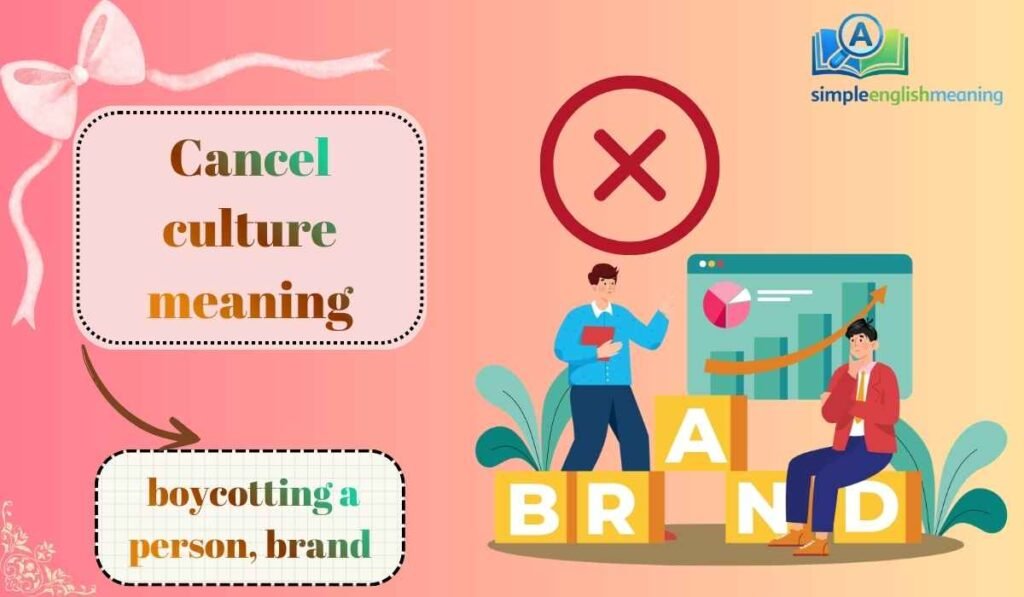
Cancel culture refers to the practice of publicly calling out, criticizing, and boycotting a person, brand, or creator for something they said or did that is considered offensive, harmful, or unacceptable.
In simple terms:
- Someone messes up (or is accused of messing up)
- People online react strongly
- The person may lose followers, reputation, or opportunities
- People say they’ve been “canceled”
In texting or chat slang, it’s often used casually, sarcastically, or dramatically, not always in a serious political sense.
Where Did Cancel Culture Come From?
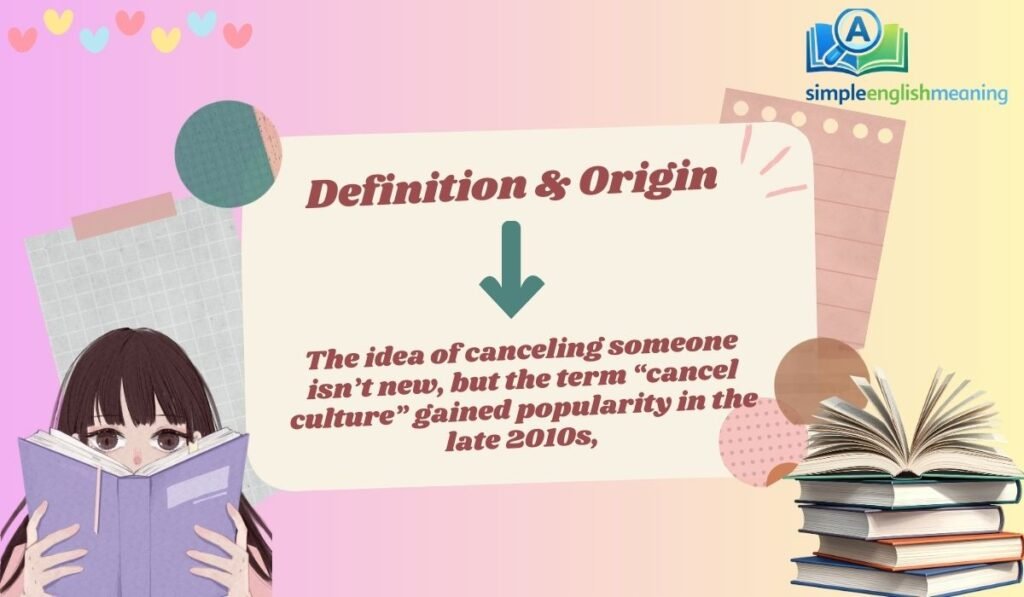
The idea of canceling someone isn’t new, but the term “cancel culture” gained popularity in the late 2010s, especially on:
- Twitter (X)
- TikTok
Originally, “cancel” was slang meaning to stop supporting someone. Over time, it evolved into a mass online reaction, where social media users collectively hold someone accountable—or sometimes just attack them.
Cancel Culture Meaning in Texting and Chat
In everyday texting and online chat, cancel culture meaning can change depending on tone and context.
Casual or Joking Use
Many people use it lightly or humorously, for example:
- “You don’t like pizza? Cancelled.”
- “He spoiled the movie… cancel culture loading 😭”
Here, no one is actually being boycotted—it’s just internet exaggeration.
Serious Use
In serious discussions, it refers to real consequences:
- Losing brand deals
- Being removed from platforms
- Facing public backlash
Example:
- “Cancel culture ended his career after those tweets resurfaced.”
How to Use “Cancel Culture” Correctly in Texts or Chat
Using this term correctly depends on context, audience, and tone.
Common Contexts Where It’s Used
- Social media debates
- Group chats
- Comment sections
- Online forums
- Memes and reaction posts
Correct Usage Examples
Use it when:
- Talking about public backlash
- Discussing accountability vs overreaction
- Joking with friends
Examples:
- “Cancel culture moves fast on TikTok.”
- “People get canceled for tweets from 10 years ago.”
- “Bro said pineapple on biryani… cancel culture coming 💀”
Examples of Cancel Culture in Conversations
Example 1: Casual Chat
Friend 1: I don’t like coffee
Friend 2: Nah that’s wild
Friend 3: Cancel culture has entered the chat 😭
➡️ Meaning: playful exaggeration
Example 2: Social Media Discussion
User A: Cancel culture is necessary for accountability
User B: Sometimes, but it also goes too far
➡️ Meaning: serious debate
Example 3: Meme Context
- “One bad tweet = lifetime ban. Cancel culture never sleeps.”
➡️ Meaning: sarcastic commentary
Common Mistakes or Misunderstandings
Despite how popular it is, many people misuse or misunderstand cancel culture meaning.
Mistake 1: Thinking “Canceled” Means Legally Punished
Being canceled:
- ❌ Is NOT a legal action
- ✅ Is social or reputational backlash
Mistake 2: Using It for Every Disagreement
Not every criticism equals cancel culture.
Example:
- Someone disagreeing with you ≠ cancel culture
Mistake 3: Assuming Cancel Culture Is Always Bad
Some people see it as:
- Accountability
Others see it as: - Online bullying
The meaning depends on perspective and situation.
Is Cancel Culture Slang or a Serious Term?
Interestingly, cancel culture is both.
As Slang:
- Used jokingly in texts
- Often exaggerated
- Meme-driven
As a Serious Concept:
- Discussed in news and politics
- Impacts real careers
- Shapes online behavior
That’s why context matters so much when using or reading it.
Related Slangs and Abbreviations You Should Know
If you’re learning internet language, here are related terms often used alongside cancel culture:
- Canceled – socially rejected or boycotted
- Call-out – publicly criticizing someone
- Dragged – heavily criticized online
- Clout chasing – using drama for attention
- Deplatformed – removed from a platform
- Ratioed – getting more negative replies than likes
Understanding these helps you fully grasp online conversations.
Why Cancel Culture Is So Popular in Online Chats
There are a few reasons why this term exploded online:
- Social media gives everyone a voice
- Old posts are easy to resurface
- Online outrage spreads fast
- Humor and memes soften serious topics
Because of this, cancel culture meaning has shifted from a heavy concept to something people casually reference daily.
When NOT to Use the Term
Avoid using “cancel culture” when:
- Talking to people unfamiliar with internet slang
- Discussing sensitive topics without context
- It could trivialize serious harm
In professional settings, it’s better to say:
- “Public backlash”
- “Online criticism”
- “Boycott”
SEO Tip: Variations of Cancel Culture Meaning
If you’re writing or searching online, you may also see:
- What is cancel culture
- Cancel culture definition
- Cancel culture meaning in texting
- What does canceled mean in slang
- Cancel culture explained
They all point to the same core idea but with different angles.
Canclusion:
To sum it up, cancel culture meaning depends heavily on how and where it’s used. In texting and online chats, it’s often playful, exaggerated, or sarcastic.
In serious discussions, it refers to public accountability and social consequences driven by online communities.
Understanding this term helps you:
- Read online conversations accurately
- Avoid misusing slang
- Communicate more confidently in digital spaces
Language online evolves fast, and staying updated keeps you connected—not confused.