In today’s fast-moving digital world, even a single number like “5” can carry multiple meanings in chats, texts, and online conversations.
If you’ve ever received a message with just “5” and wondered, “What does that even mean?” — you’re not alone.
Understanding the 5 meaning in chat and texting is important because modern communication is no longer just about full sentences.
People use numbers, slang, emojis, and abbreviations to save time, sound cool, or express emotions quickly.
This guide is updated to help you decode exactly what “5” means in different contexts, so you never feel confused or left out of the conversation again.
What Does “5” Mean? Definition & Origin
The meaning of “5” in chat or texting depends heavily on context. Unlike traditional abbreviations (like LOL or BRB), “5” is a flexible symbol that can represent:
- A rating
- A shortcut reply
- A cultural or regional slang
- A code word between friends
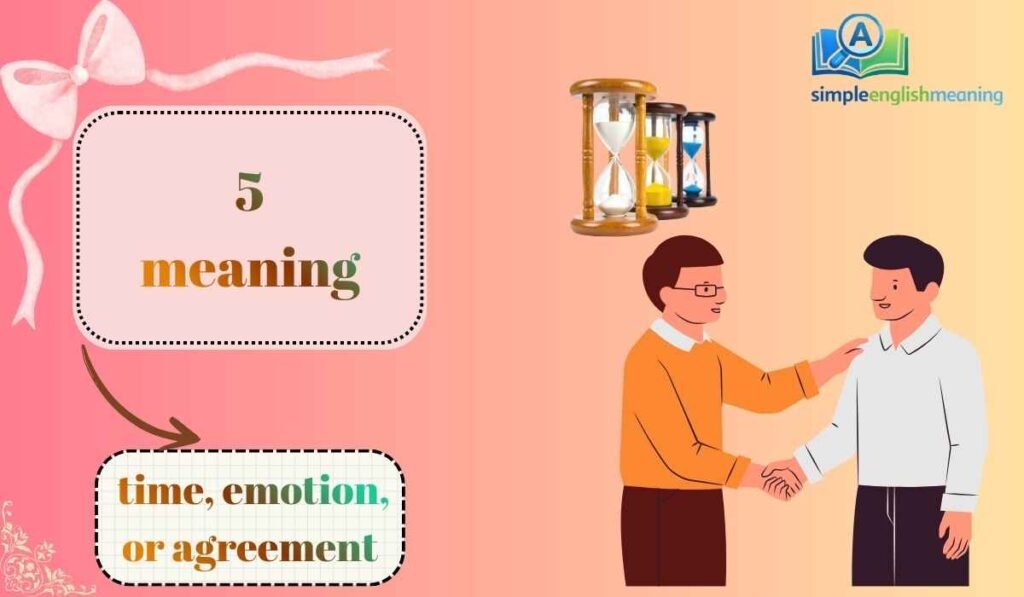
- A reference to time, emotion, or agreement
Origin of Using Numbers Like “5” in Chat
The use of numbers in texting comes from:
- Early SMS culture, where characters were limited
- Internet forums & gaming chats, where speed mattered
- Youth slang, where numbers add mystery or style
Over time, numbers like 5, 7, 10, 143, 420, etc., gained meanings based on shared understanding rather than dictionary definitions.
What Is the Most Common 5 Meaning in Texting?
The most common meaning of “5” in modern chats is:
“5” = Rating something as perfect or very good
For example:
- 5 out of 5 ⭐
- Full marks
- Approval or agreement
Example
- “How was the movie?”
“5.”
👉 Meaning: It was excellent.
This usage is especially popular on:
- Instagram DMs
- Snapchat
- Discord
- Casual texting
Different Meanings of “5” Based on Context
Let’s break down the different ways “5” is used in real conversations.
5 Meaning as a Rating or Score
This is the most straightforward usage.
How It’s Used
- As a quick review
- As a reaction
- As a replacement for words like “perfect” or “excellent”
Examples
- “Rate my profile pic.”
“5 🔥” - “Food?”
“Easy 5.”
👉 In these cases, 5 = top rating, approval, or praise.
5 Meaning as Agreement or Confirmation
Sometimes, “5” simply means “okay” or “agreed.”
Why People Use It
- Faster than typing “okay”
- Casual and modern
- Often used between friends who understand each other’s style
Examples
- “Meet at 8?”
“5.” - “We doing it tonight?”
“Yeah, 5.”
👉 Here, 5 = yes / okay / confirmed.
5 Meaning as “Give Me 5 Minutes”
In many chats, especially informal ones, “5” is shorthand for time.
Common Interpretation
“5” = 5 minutes
Examples
- “Are you coming?”
“5.” - “Call me.”
“5 min.” or simply “5.”
👉 This meaning is very context-specific and usually understood between people who chat often.
5 Meaning in Street Slang or Cultural Context
In some cultures or friend groups, “5” can have deeper slang meanings.
Examples of Cultural Use
- Representing a group, area, or inside joke
- Symbolizing unity or respect
- Referring to a code known only to certain people
For example:
- “We good?”
“Always 5.”
👉 Meaning depends entirely on the relationship and shared slang.
5 Meaning in Gaming & Online Communities
In gaming chats, “5” often relates to performance or readiness.
Possible Meanings
- Rating a move or play
- Confirming readiness
- Referring to a team size or position
Examples
- “How was that round?”
“5/5.” - “You ready?”
“5.”
How to Use “5” Correctly in Texts or Chat
Using “5” correctly depends on context, tone, and who you’re talking to.
Best Practices
- Use it with friends or casual contacts
- Avoid using it in professional or formal messages
- Make sure the other person understands your style
Good Situations to Use “5”
- Rating something
- Quick confirmations
- Casual replies
- Inside jokes
Situations to Avoid
- Work emails
- Talking to elders unfamiliar with slang
- Important or serious discussions
Examples of “5” in Real Conversations
Example 1: Rating
A: “How was the coffee?”
B: “Solid 5 ☕”
Example 2: Time
A: “Where are you?”
B: “5.”
Example 3: Agreement
A: “Movie tonight?”
B: “5.”
Example 4: Compliment
A: “Be honest, how’s my outfit?”
B: “Easy 5 😎”
Common Mistakes or Misunderstandings
Because “5” has multiple meanings, misunderstandings can happen.
Common Mistakes
- Assuming everyone knows what you mean
- Using “5” without context
- Using it in serious conversations
Example of Confusion
- “Are you coming now?”
“5.”
The other person might wonder:
- 5 minutes?
- Rating?
- Yes?
👉 Tip: Add context if clarity matters.
Related Slangs or Abbreviations Similar to “5”
If you’re learning number-based slang, here are some related ones:
- 10/10 – Perfect
- 7 – Cool or acceptable (in some chats)
- 143 – I love you
- 420 – Cannabis-related slang
- 24/7 – All the time
- 101 – Basics or beginner-level
👉 You may want to internally link articles like:
- “143 Meaning in Text”
- “420 Meaning in Chat”
- “10/10 Meaning on Social Media”
Why “5” Is Popular in Modern Texting
The popularity of “5” in chat comes from:
- Short attention spans
- Fast conversations
- Minimal typing
- Trend-driven language
Numbers feel:
- Cool
- Effortless
- Modern
- Exclusive
That’s why even a single digit like 5 can replace an entire sentence.
Is “5” Still Relevant in 2025?
Yes — and it’s still evolving.
In updated 2025 texting culture, “5” continues to appear in:
- Instagram replies
- WhatsApp chats
- TikTok comments
- Gaming messages
New meanings may emerge, but rating, agreement, and time remain the most common uses.
Conclusion:
To sum it up, the 5 meaning in chat and texting is not fixed — it changes based on context, relationship, and platform.
Most commonly, “5” means a perfect rating, agreement, or five minutes, but it can also act as slang, code, or inside humor.
The key to understanding and using “5” correctly is paying attention to the conversation flow
. When used casually and appropriately, it’s a quick, modern, and expressive way to communicate without typing much.

I’m Jack Collins, a passionate meaning author at SimpleEnglishMeaning. I specialize in explaining words, phrases, and concepts in clear and simple English so everyone can understand them easily.I believe that language should be simple, practical, and helpful. My goal is to make learning meanings easy, interesting, and accessible for all readers.